

Women’s Health Practitioner

Endometriosis care that reflects the complexity of persistent pain.

Helping women with endometriosis & adenomyosis better understand and manage persistent pain through functional health, therapeutic movement and pain science.

Rachel Abiodun practising a supported side-lying Pilates position

Persistent pain in endometriosis and adenomyosis is rarely explained by one factor alone.

Although these conditions are real physical diseases that often require medical treatment, persistent pain can also be influenced by factors such as inflammation, pelvic floor dysfunction, surgery, movement, sleep, stress and changes in the nervous system.

That’s why I take a multidisciplinary approach.

Understanding Persistent Pain

Persistent pain is different for everyone.

For some women

Active disease is the biggest driver of pain.

For others

Inflammation, pelvic floor dysfunction, surgery, poor sleep, stress or nervous system changes may also contribute.

The first step

Understanding which factors may be relevant for you is what makes it possible to know what may actually help.

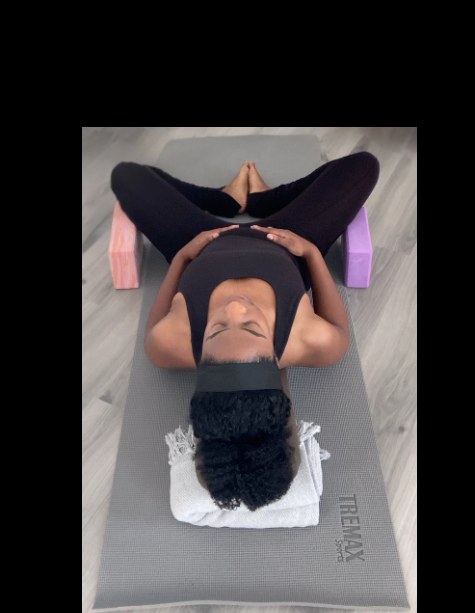
Restorative supported reclining position on a mat

The three pillars

How I approach persistent pain

01

Functional Health

Supporting your overall health through personalised nutrition, lifestyle strategies and functional testing to identify factors that may be contributing to inflammation, symptoms and persistent pain.

02

Therapeutic Movement

Using Pilates, Clinical Yoga and breathwork as practical tools to help calm the nervous system, improve function and support persistent pain without pushing through symptoms.

03

Pain Science

Helping you better understand why persistent pain can become more complex over time and how that knowledge can support — not dismiss — the physical reality of endometriosis and adenomyosis.

How we can work together

Preparing a nourishing meal in the kitchen

Coming soon

1:1 Support

A personalised framework combining functional health, therapeutic movement and pain science to support the different factors contributing to your persistent pain.

  • Functional health, nutrition and lifestyle support
  • Functional laboratory and DNA testing
  • Therapeutic Pilates and Clinical Yoga
  • Pain science and nervous system education
  • Breathwork and relaxation techniques
  • Emotional processing support
  • Personalised flare-up and recovery planning

A supported resting position used in therapeutic movement sessions

Coming soon

Workshops & Education

Evidence-informed workshops designed to help women better understand endometriosis, adenomyosis, and persistent pain in a supportive, accessible way.

Complex science, translated into practical information you can actually apply in everyday life.

What I believe

Endometriosis is a real physical disease.

Persistent pain is complex.

One does not cancel out the other.

That’s why I believe women deserve multidisciplinary support that complements — not replaces — the medical care they receive.

Rachel Abiodun holding a mug

About

Hi, I’m Rachel.

I know what it’s like to think that finally getting a diagnosis and having surgery will be the end of your pain. Mine wasn’t. That forced me to ask a different question — and it changed the way I understand and support persistent pain.